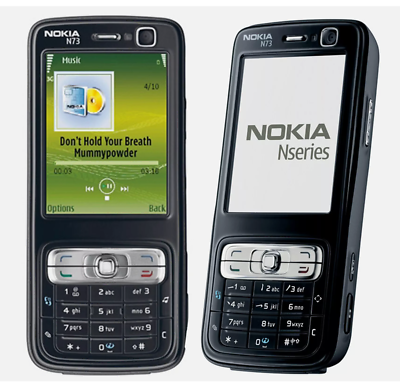
Nokia establishes its leadership in multimedia smartphone development with the N73, which incorporates advanced imaging capabilities that elevate mobile photography to professional-quality standards. The N73 represents Nokia’s largest commitment to camera phone technology, featuring a 3.2-megapixel sensor with dual LED flash and optical image stabilization, addressing fundamental limitations of earlier mobile phone photography.
The dual LED flash system provides fill lighting for daylight photography while enabling low-light shooting without excessive noise, addressing critical lighting challenges that constrain mobile phone photography across diverse environmental conditions. This system ensures that images retain clarity and vibrancy regardless of the lighting situation, allowing users to capture memories more effortlessly during both bright days and dimly lit evenings. Additionally, the optical image stabilization mechanism mechanically compensates for camera shake, reducing motion blur, which is particularly beneficial for hand-held photography at longer focal lengths or in low-light conditions, where exposure times increase substantially. This feature empowers users to confidently take pictures without a tripod, enabling them to capture spontaneous moments in dynamic environments.
Nokia’s Symbian operating system integration provides sophisticated multimedia management, including image-editing software, photo-organization tools, and adjustment capabilities comparable to those of simplified desktop image-editing applications. Users can enhance, crop, and modify their images directly on their devices, making post-processing more accessible and efficient than ever before. The N73 supports JPEG and TIFF image formats with adjustable compression levels, enabling photographers to control the quality-versus-storage trade-off according to their specific requirements. With the ability to capture images in higher-resolution formats like TIFF, users can ensure their photographs maintain the integrity required for professional-grade printing or large-format displays.
RAW image capture preserves the maximum amount of image information for desktop-based post-processing workflows, enabling professional photographers to apply sophisticated editing techniques that can dramatically alter an image’s final output. This raw data harnesses a wider dynamic range and more color depth, granting users the flexibility to tweak every aspect of their photography with precision when they transition to robust editing software on computers.
Connectivity features enable seamless image transfer and distribution across internet channels. The device supports EDGE data, providing adequate transmission speeds for email attachment delivery, though image uploads remain time-consuming on contemporary mobile networks. Through various applications and direct uploads to social media, users can share their photographic prowess effortlessly, cultivating a connection with friends and followers. USB connectivity enables rapid transfer to computers, making the N73 a viable alternative to compact digital cameras for casual photography. Users can quickly download their creations, ensuring that every captured moment is saved and shared efficiently.
The N73 validates the progression of mobile phone camera technology toward functionality approaching that of compact digital cameras. With its extensive feature set, it encourages users across demographics, from casual users to serious hobbyists, to view mobile phones as legitimate photography devices. This shift in perception fundamentally alters industry assumptions regarding phone capabilities and establishes smartphone imaging as a critical product differentiator. Nokia’s engineering excellence in imaging technology influences subsequent smartphone design, emphasizing the importance of camera quality as the primary purchasing consideration. As a result, the N73 not only solidified Nokia’s position at the forefront of mobile innovation but also paved the way for future smartphones to prioritize imaging features, ensuring that the pursuit of high-quality photography remains integral to the evolution of mobile technology.