Xiaomi shipped 9.2 million phones in India in a single quarter and just passed Samsung to become the country’s number-one smartphone brand. Samsung. In the market everyone assumed Samsung owned outright. Three years after the Hugo Barra hire looked like ambition sprinting ahead of the product, the global bet is suddenly the thing keeping this company’s growth alive.
Redmi did it, and the way it did it is the interesting part. Cheap phones with specs that embarrass their price, sold through flash sales, but increasingly through actual offline Mi Stores once Xiaomi realized India does not shop online the way China does. Localized models, brutal pricing, and a head-on assault on the Galaxy J and A series at the value game Samsung used to own. India is now effectively Xiaomi’s second home market, and it got there by undercutting the incumbent wherever it was soft. The expansion machine that started with the Mi 3 and Barra finally has a country to show for itself.
India also mattered because home was getting hard. Xiaomi had a rough couple of years in China; growth stalled, and OPPO and Vivo out-hustled it across the country with relentless offline retail and camera-led marketing while Xiaomi was still betting everything on selling online. India is where it rebuilt momentum after that domestic stumble, and the lesson it swallowed there, that online-only does not travel everywhere, is one it should have learned at home first.
And in the same stretch, Xiaomi switched on sales in Spain, its first real step into Western Europe, with France and Italy lined up behind it. The approach is online-first again, propped up by a handful of experience stores. Europe is the actual test of the whole expansion thesis because it is carrier-locked, premium-skewed, thoroughly owned by Samsung and Apple, and about to get much stricter on data handling. India was a value market Xiaomi could win on price alone. Europe will not hand it anything for being cheap.
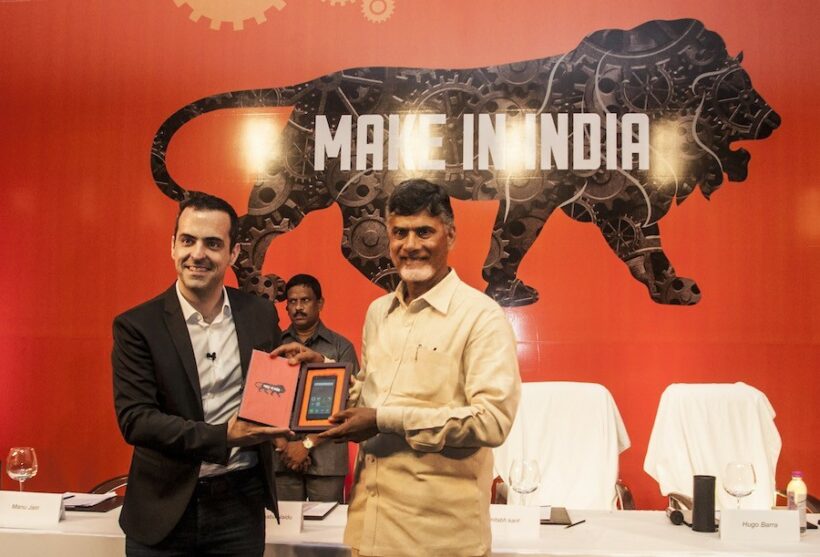
I am not getting into the patent problem here, which is the quiet reason Xiaomi still cannot walk into the United States: it does not own enough cellular IP to survive the lawsuits waiting for it there. Europe is friendlier on that front and still a harder sell on every other one. The thing I keep turning over is whether a brand built on flash-sale scarcity and forum hype means anything at all to a shopper in Madrid who has never heard the name and just wants whatever phone the carrier puts in front of them.
Passing Samsung in India is the most impressive thing Xiaomi has pulled off since the Mi 1, and it happened because the company finally swallowed its pride and learned to sell in a shop. Europe is the next mountain, and it is steeper. India proved the global bet works where price is king. Whether it works anywhere people actually pay for a brand is the question Spain is starting to answer right now, and I suspect India was the easy half.