Xiaomi went public in Hong Kong last month at roughly half the valuation it was chasing, the stock slid on its first day, and analysts spent the week insisting it is “just a hardware company.” A few weeks later, a brand-new Xiaomi sub-brand dropped a Snapdragon 845 into a $300 phone and made every flagship on the shelf look overpriced. That whiplash is Xiaomi’s entire summer in two events.
The IPO first, because it stung. Xiaomi listed on the Hong Kong exchange on July 9, priced at HK$17 at the very bottom of its range, raised $4.72 billion, and landed at about a $54 billion valuation against the $100 billion it had floated to the press earlier in the year. It was the first company to list under Hong Kong’s new dual-class voting rules, which is a nice footnote, but the shares still fell around 6% out of the gate. The market did not buy the internet company’s pitch. It looked at a business trading at nearly 40 times earnings while Apple sat near 16, and it saw a phone maker.
Lei Jun used the IPO letter to double down on the promise that Xiaomi’s hardware net margin will never top 5%, and that the real money lives in internet services layered on top. That is the whole valuation argument, and it is also the whole problem, because investors looked at where the revenue actually comes from, which is overwhelmingly phones, and priced the thing like the hardware company it mostly is. It did not help that the listing happened in the middle of an escalating US-China trade fight that was rattling every tech stock on the way out the door.
Then POCO answered the skeptics in the most Xiaomi way possible. The new sub-brand’s first phone, the Pocophone F1, runs a Snapdragon 845, the same flagship chip in this year’s $800 phones, with up to 8 GB of RAM, a 4,000 mAh battery and a copper-pipe LiquidCool system, in a plastic body with the NFC stripped out, for about $300. It is the cheapest 845 phone on the planet by a wide margin. This is the OnePlus One “flagship killer” idea pushed to its logical extreme: delete everything that isn’t raw performance, then undercut a price that nobody else can match.
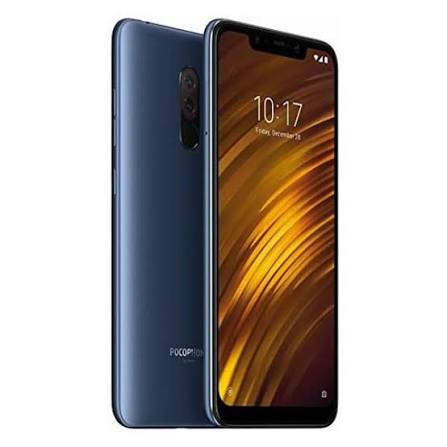
POCO slots in next to Redmi at the value end and the Black Shark gaming brand Xiaomi spun up earlier this year, so the company is now multiplying sub-brands to hit every price band at once, the exact move OPPO just made by spinning out Realme to fight Xiaomi in India. I am not getting into the channel-conflict headache this creates, where a company’s own brands start eating each other’s customers, but it is coming and it is going to get messy.
The IPO told you what public markets think Xiaomi is: a hardware company putting on an internet company impression, worth half its own dream. POCO told you what Xiaomi is actually better at than anyone alive: taking a flagship chip and blowing out the price floor beneath it. Both landed within the same eight weeks. The 5% margin pledge is either the most disciplined promise in the industry or the precise reason this stock never re-rates, and I am not sure which yet. What I am sure of is that the F1 will sell better than the shares.